
Potomac Sewage Spill and Back River Plant Issues: Environmental Risks and Food Safety Concerns
Recent wastewater incidents in Maryland and the surrounding region have raised new concerns about water quality and the potential impact on food safety. A major sewage spill into the Potomac River and ongoing operational problems at the Back River Wastewater Treatment Plant highlight how infrastructure failures can affect both the environment and the safety of food harvested from local waters.
While many reports focus on the scale of these events, it’s also important to understand the food safety risks that sewage contamination can create.
Quick Overview of the Potomac Sewage Spill
In January 2026, a major sewer line operated by DC Water collapsed, releasing hundreds of millions of gallons of untreated sewage into the Potomac River system that feeds into the Chesapeake Bay. Wastewater that would normally flow to the Blue Plains Advanced Wastewater Treatment Plant instead entered the river.
Health officials issued warnings advising people to avoid contact with the water while agencies monitored bacteria levels and worked to repair the damaged infrastructure.
For detailed reporting and updates, you can reference coverage from PBS NewsHour, which discussed the scale of the spill, infrastructure concerns, and the broader environmental impact during a recent interview on the incident, along with ongoing monitoring updates released by government agencies.
Although water quality has improved in many areas since the initial spill, contamination events like this can take time to fully resolve — particularly when sediments and runoff are involved.
Back River Wastewater Treatment Plant Concerns in Dundalk
At the same time, residents and environmental observers like Back River Restoration Committee near Dundalk and Essex have continued to report issues connected to the Back River facility, including odors, processing delays, and concerns about sludge management.
These issues have drawn attention because the plant is one of the largest wastewater treatment facilities in Maryland and plays a critical role in protecting waterways that support fisheries, recreation, and nearby communities.
Local investigative reporting — including coverage by Baltimore Brew — has highlighted the environmental and operational challenges facing the plant.
Why Sewage Contamination Matters for Food Safety
When untreated or partially treated sewage enters rivers or coastal waters, it introduces pathogens that can contaminate seafood, irrigation water, and the broader food supply.
This is especially important in regions connected to shellfish harvesting and commercial fishing areas.
Sewage contamination can introduce:
- Disease-causing bacteria
- Human viruses
- Parasites
- Antibiotic-resistant organisms
These hazards can move through the food chain and lead directly to foodborne illness outbreaks.
Pathogens of Concern After Sewage Spills
Several pathogens commonly associated with sewage contamination are also well-known causes of foodborne illness.
Hepatitis A Virus
Hepatitis A spreads through contaminated food or water and can survive in aquatic environments. Shellfish harvested from contaminated waters are a known risk factor.
Norovirus
Norovirus is one of the most common causes of foodborne illness worldwide. It spreads easily through contaminated water, produce, and shellfish and can cause outbreaks in restaurants and communities.
Other Notable Pathogens
Sewage spills may also introduce organisms such as:
- E. coli
- Salmonella
- Shigella
- Vibrio species (important in coastal and shellfish environments)
These pathogens can persist in water and may accumulate in seafood like oysters, clams, and mussels because they naturally filter large amounts of water.
What This Means for Food Safety in the Region
Events like the Potomac sewage spill and ongoing concerns at wastewater treatment plants reinforce an important reality: environmental health and food safety are closely connected.
When sewage infrastructure fails, the risks extend beyond water recreation. They can affect:
- Shellfish harvesting areas
- Local fisheries
- Agricultural irrigation water
- Restaurants sourcing local seafood
- Public health overall
This is why water monitoring, harvest area closures, and public health advisories play such an important role after contamination events.
For food safety professionals, restaurant operators, and consumers alike, staying aware of environmental events that affect local waterways is an important part of protecting the food supply.
Final Thoughts
Sewage spills and treatment plant failures are not just infrastructure issues — they are food safety issues. As monitoring continues in the Potomac watershed and around Back River, ongoing oversight and improvements to wastewater systems will be critical to protecting both the environment and the safety of our food.
Maryland is home to the largest estuary in the United States, the Chesapeake Bay, and protecting it requires attention not only from agencies but also from local communities. Supporting grassroots environmental groups such as Back River Restoration Committee is an important part of preserving waterways so they remain clean, fishable, and safe for future generations.
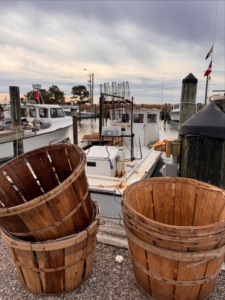
Photo Courtesy of: Paige Finely Photographs & Design – A local photographer and painter that captures the beauty of the Chesapeake Bay.